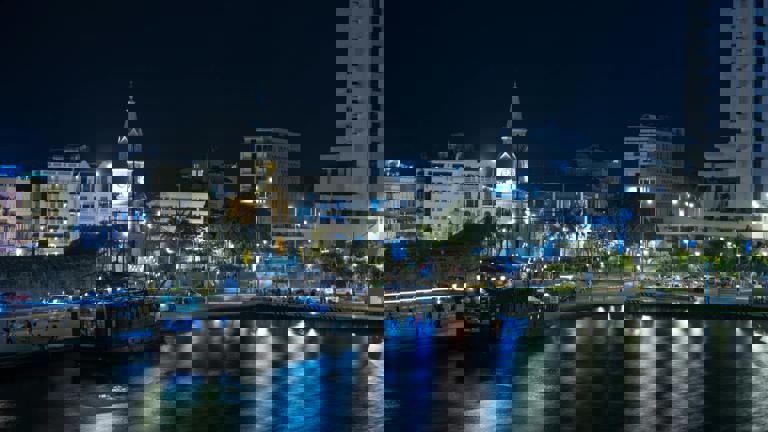
Late-night ferry services will be extended after persistent advocacy from community members, particularly night shift workers and students, led transport authorities to reconsider existing service schedules. This decision comes after months of public campaigns, petitions, and lobbying aimed at improving transportation options for those with non-standard working or study hours. The move marks a significant shift in local transport planning, offering hope for more inclusive mobility across Sydney’s harbourside communities.
Transport for NSW announced this week that they will commence a three-month trial introducing additional ferry departures after midnight. The trial is scheduled to start next month and will focus on key routes with high demand from late-night commuters. Authorities indicated the trial's outcomes will determine whether the extended services become a permanent fixture, depending on patronage and operational feasibility.
The decision follows an uptick in public pressure on social media and through traditional channels. Commuters shared their challenges navigating late-night travel, often citing long wait times and limited alternatives once standard ferry services ceased. "It can be a nightmare getting home after a late shift," said Alexandra Miles, a nurse who frequently works past midnight. "Taxis are expensive and trains aren’t always convenient."
According to data provided by Transport for NSW, over 2,500 signatures were collected in an online petition urging the extension of late-night ferry services. Advocacy groups highlighted that essential workers—particularly those in healthcare, hospitality, and emergency services—often face unsafe or costly journeys due to the lack of public transport options during late hours. Students attending evening classes or studying late at universities also supported the campaign.
The extended ferry service schedule will include departures at 12:30 a.m. and 1:15 a.m. on popular harbor routes. These times were selected after an analysis of commuter flows and input from local councils. The trial is intended to accommodate those finishing shifts or studies after midnight, and also to serve patrons attending major events or late-night cultural venues.
Public feedback played a significant role in shaping this policy shift. Community forums and feedback surveys revealed that over 70 percent of respondents supported additional late-night services. Many shared stories of having to walk long distances, wait for infrequent night buses, or pay for rideshares following the last ferry. The idea quickly gained traction as media outlets picked up the issue, amplifying local voices.
Sydney Lord Mayor Clover Moore welcomed the move, stressing the importance of equitable transport. "Expanding late-night services reflects our city’s commitment to supporting workers, students, and night-time visitors," she said. "It not only improves accessibility, but also helps promote safety and the growth of our night-time economy." Her comments were echoed by business groups who advocate for better transport links to boost evening trade.
Several local hospitality businesses have also expressed optimism that the extended ferry timetable could benefit both staff and customers. "We often struggle to retain staff on late shifts due to transport issues," explained Liam Tran, a restaurant manager in Circular Quay. "More ferries will give my team peace of mind when getting home, and potentially attract more diners who want to enjoy late-night activities without worrying about the last ferry."
Despite general positivity, some residents voiced concerns about noise and disruption caused by extended operations. Transport officials assured the public that noise assessments would be conducted during the trial, and adjustments made if required. Additionally, ferry operators have been instructed to minimize noise during late-night stops, particularly in quieter residential areas along the routes.
Students at local universities were among the most vocal supporters during the campaign. University of Sydney student council representative Priya Desai remarked, "So many of us have group projects, late-night library sessions, or part-time jobs. Losing time arranging transport late at night is stressful and impacts our wellbeing. These new ferry services will make a real difference for student life and safety."
Transport for NSW’s decision aligns with broader strategies to enhance sustainable transport alternatives and reduce reliance on cars in urban areas. Officials noted that ferries produce less congestion and have a smaller carbon footprint compared to equivalent numbers of car trips, supporting Sydney’s broader environmental goals and efforts to transition towards greener mobility solutions.
As the three-month trial approaches, a public information campaign will be launched to inform commuters of the new late-night options. Notices at ferry terminals, updated timetable apps, and targeted messaging on social media will help ensure widespread awareness. Authorities are also encouraging feedback during the trial period, inviting commuters to contribute directly to decisions about ongoing improvements to late-night public transport.
Looking ahead, the success of the late-night ferry extension trial could set a precedent for further transport innovations across the city. Stakeholders will closely monitor passenger numbers, overall satisfaction, and community impact. If the extra services prove popular, there may be calls for similar extensions on other forms of public transport, ultimately enhancing Sydney’s reputation as an accessible city for all, whatever the hour.